
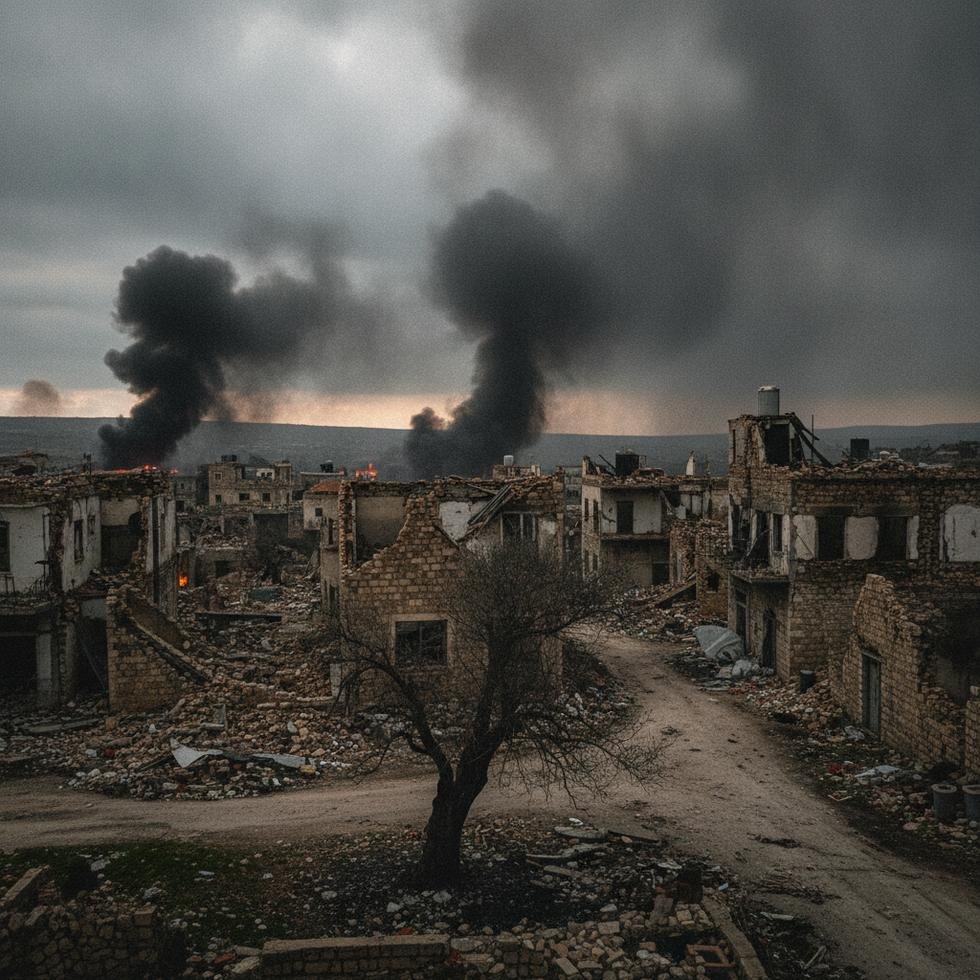
In recent developments, Israeli airstrikes on a southern Lebanese village have resulted in the deaths of nine individuals, heightening tensions in the region. This escalation poses a threat to the US-brokered ceasefire aimed at resolving the ongoing conflict between Israel and Hezbollah. The Lebanese government has condemned the attack, emphasizing the destabilizing impact it has on the fragile peace efforts. Reports suggest that the strikes targeted suspected Hezbollah positions, although civilian areas were also affected, leading to further casualties. The incident has drawn international attention, with calls for restraint from both sides to prevent further escalation.
These airstrikes come amidst a backdrop of long-standing hostilities between the two sides. Despite numerous ceasefire attempts, sporadic violence continues to plague the area, raising questions about the effectiveness of diplomatic interventions. The recent escalation underscores the enduring volatility of the region and the complexity of achieving lasting peace.
The international community has expressed concern over the humanitarian impact of these strikes. Non-governmental organizations report a growing number of displaced persons in the area, adding to the region’s existing challenges. The potential for further conflict could exacerbate the humanitarian situation, compelling international bodies to increase aid and support efforts.
This incident highlights the precarious nature of Middle Eastern geopolitics, where regional dynamics are often influenced by external powers. The ongoing tensions between Israel and Hezbollah illustrate the broader challenges facing peace efforts in the region. (https://www.bbc.co.uk/news/articles/c5yl96vz0edo?at_medium=RSS&at_campaign=rss)