
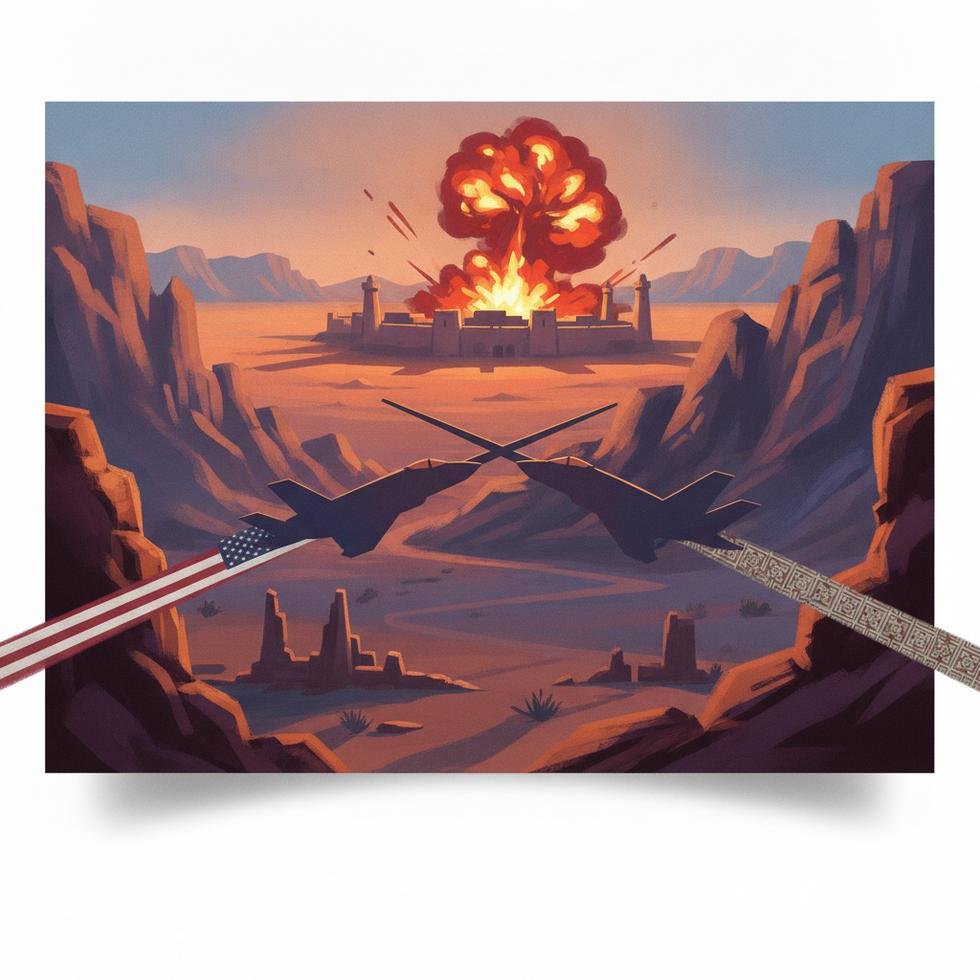
The recent escalation between the United States and Iran marks a significant shift in the geopolitical landscape, as tensions have been rekindled following an attempted attack on American forces. In a display of military might, the United States launched heavy strikes against Iranian positions. This development follows a period of relative calm, during which hostilities were temporarily paused. The renewal of missile attacks has sparked international concern regarding stability in the region. As diplomatic channels remain strained, observers are closely monitoring the situation for potential fallout.
Historically, the US-Iran relations have been marked by a series of conflicts and negotiation efforts. The current conflict adds another layer of complexity, with both nations standing firm on their positions. Reports indicate that the recent strikes were a response to an Iranian attempt to harm US troops stationed in strategic locations. The international community urges restraint and calls for a resumption of dialogue to prevent further escalation.
Amid the tensions, regional stakeholders are apprehensive about the impact of heightened hostilities. The renewed conflict poses risks to global oil supplies and trade routes, potentially affecting economies far beyond the immediate geography. Analysts speculate that prolonged conflicts could exacerbate existing humanitarian issues, highlighting the need for a swift resolution.
The situation remains fluid, with ongoing developments likely to shape the discourse on Middle Eastern politics. As global powers weigh in, the prospect of diplomatic intervention could provide a path towards de-escalation. Stakeholders continue to advocate for peaceful negotiations to navigate this crisis and avert potential conflict in an already volatile region.
Source: https://www.bbc.co.uk/news/articles/c74gwdzywmeo?at_medium=RSS&at_campaign=rss